Ayurvedic Treatment for Sacroiliitis in Kerala

Saatwika Ayurveda Treatment Centre offers authentic Ayurvedic Treatment for Sacroiliitis in Kerala 

At Saatwika, we treat this Vata and Pitta disorder of the Trika region — using Panchakarma therapies, Jalaukavacharana (leech therapy), medicated Vasti, and internal medicines including Rasonadi Vati with Erandamool Taila.

Most patients notice a meaningful reduction in pain and morning stiffness within the first 2–3 weeks of treatment.

  • Govt. Licenced Hospital 
  • Led by an 18-year-experienced Ayurvedic physician
  • Only 8 Km from the International Airport
  • Clinical Panchakarma — Not a spa. Real medical protocols.
  • Outpatient and Inpatient Facility
  • Ayurvedic Pharmacy 

Trusted by over 200000 Health Seekers, Worldwide. Since 2010

Ayurvedic Treatment for Sacroiliitis in Kerala

At Saatwika Ayurveda, we treated 50-plus cases of sacroiliitis

Featured In

The hindu
kaumudi.1.2554070
Mathrubhumilogo
0
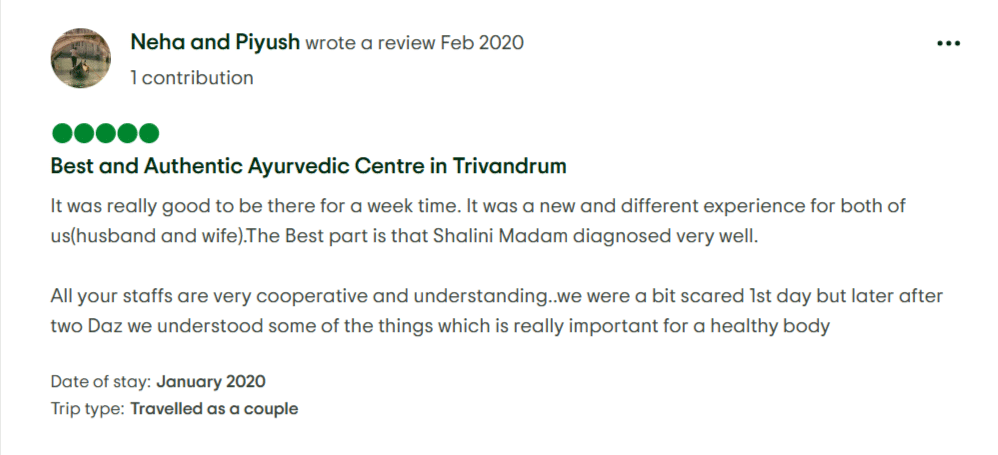
Rated 5 out of 5
284 Ratings
Google Reviews
4.7
Rated 5 out of 5
53 Reviews
Tripadvisor Reviews
Trip advisor Review

Aim of Ayurvedic Sacroilitis Treatment

Ayurvedic treatment for sacroiliitis aims to reduce inflammation in the SI joint, relieve pain in the lower back and buttocks, restore normal movement, and correct the underlying imbalance in the body that is driving the inflammatory process.


  • Reduce pain and inflammation in the sacroiliac joint and surrounding region
  • Restore ease of movement in the lower back, hips, and legs
  • Address the root cause – whether it is a Vata, Pitta, or combined imbalance
  • Prevent recurrence and worsening of the condition
  • Improve the patient’s ability to walk, stand, and carry out daily activities without pain

Benefits of Ayurvedic Sacroilitis Treatment

Patients who complete a proper course of Ayurvedic treatment for sacroiliitis can expect:

  • Significant reduction in buttock, lower back, and leg pain
  • Reduced stiffness in the mornings and after periods of rest
  • Improved ability to stand for longer periods and climb stairs without pain
  • Better walking pattern and gait
  • Reduced dependency on painkillers and anti-inflammatory drugs
  • Improved sleep quality, as lying on the affected side becomes less painful
  • Greater confidence in daily movement and return to normal routine

Is This Your Experience?

Most patients who come to us with sacroiliitis have tried painkillers, physiotherapy, and injections — and are still in pain. If any of the following describes you, Ayurvedic treatment may be the right next step.

  • You wake up stiff every morning and need 20–30 minutes before you can move comfortably
  • Pain in your lower back or buttocks gets worse the longer you stand or walk
  • Climbing stairs triggers a sharp ache on one or both sides of your lower back
  • Lying on the affected side makes sleep difficult or impossible
  • You have been told you have sacroiliitis, Ankylosing Spondylitis, or an SI joint disorder — but standard treatment has not resolved it
  • You want to reduce or come off anti-inflammatory medication without losing pain control

What Is Sacroiliitis and Why Does It Cause So Much Pain?

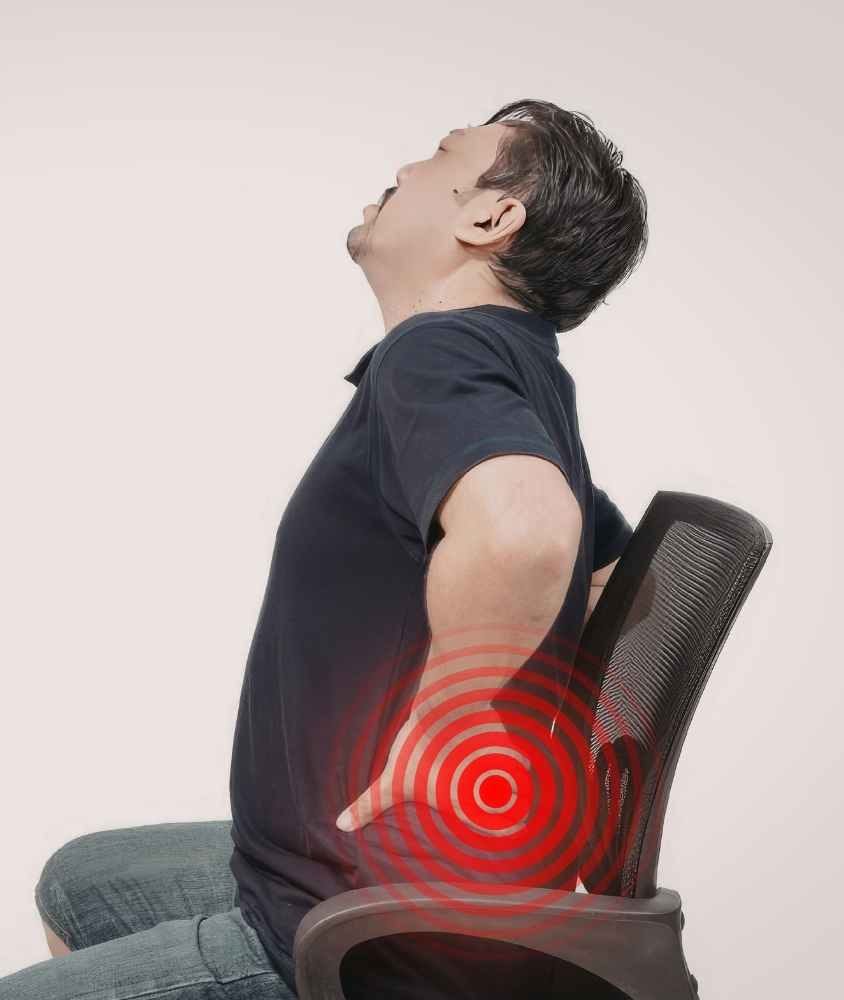
The sacroiliac (SI) joints sit on either side of your lower spine, connecting the sacrum to the pelvis. Every time you walk, stand, or climb stairs, these two joints carry the full weight of your upper body and transfer it to your legs. Because they bear a heavy load while barely moving, inflammation here is disproportionately painful.

Sacroiliitis is the inflammation of one or both SI joints. The pain typically begins deep in the buttocks or lower back and can travel down one or both legs — a pattern that is frequently confused with sciatica or a herniated disc. This misdiagnosis is common and delays effective treatment.

The condition is linked to a group of diseases called spondyloarthropathies, including Ankylosing Spondylitis. It can also develop after trauma, infection, pregnancy, or over years of uneven loading due to a leg length difference.

Symptoms of Sacroiliitis

  • Deep aching pain in the buttocks and lower back — usually worse on one side
  • Pain that radiates down the leg, mimicking sciatica
  • Morning stiffness that eases after 20–30 minutes of moving
  • Pain that worsens during prolonged standing, stair climbing, or long walks
  • Difficulty lying on the affected side at night
  • Altered gait — unconsciously shifting weight to the less painful leg
  • In infectious cases: localised warmth over the joint and fever

What Causes Sacroiliitis?


CauseHow It Affects the SI Joint
Trauma (fall, accident)Direct injury destabilises the joint and triggers inflammation
Inflammatory arthritis (e.g. Ankylosing Spondylitis)Autoimmune process attacks the joint progressively
InfectionBacteria spread to the SI joint, causing acute inflammatory flare
PregnancyHormonal ligament laxity plus added weight stresses the joint
Leg length inequalityUneven pelvic loading over years gradually inflames the joint
Previous spinal or pelvic surgeryAltered biomechanics shift load onto the SI joint

How Is Sacroiliitis Diagnosed?

Diagnosis requires a combination of clinical history, physical examination, and imaging — because sacroiliitis mimics several other conditions.

Physical provocation tests are the most reliable clinical starting point. When three or more of the following tests are positive together, SI joint involvement is highly likely:

Thigh Thrust Test — Sacral Thrust Test — Distraction Test — FABER Test — Compression Test — Gaenslen’s Test — Fortin Finger Test — Direct Palpation over the SI joint

Investigations:

  • X-ray (shows joint space changes, fusion, or bone erosion)
  • MRI scan (early and soft-tissue inflammation)
  • Blood tests: ESR, CRP, HLA-B27
  • Diagnostic nerve block (confirms the SI joint as the pain source)

Note: Sacroiliitis is one of the most under-diagnosed causes of lower back pain. Many patients receive a sciatica or disc prolapse diagnosis for years before the SI joint is properly evaluated.

  • You wake up stiff every morning and need 20–30 minutes before you can move comfortably
  • Pain in your lower back or buttocks gets worse the longer you stand or walk
  • Climbing stairs triggers a sharp ache on one or both sides of your lower back
  • Lying on the affected side makes sleep difficult or impossible
  • You have been told you have sacroiliitis, Ankylosing Spondylitis, or an SI joint disorder — but standard treatment has not resolved it
  • You want to reduce or come off anti-inflammatory medication without losing pain control

How Ayurveda Understands Sacroiliitis — Trikagraha?

In Ayurveda, sacroiliitis corresponds to Trikagraha — a painful inflammatory stiffness of the Trika region, which refers to the sacral and sacroiliac junction at the base of the spine.

The Trika region is considered a Kapha seat — a zone the body naturally keeps lubricated and structurally supported. When Kapha is depleted here and Vata becomes aggravated, the joint loses its natural cushioning, becomes dry and unstable, and pain begins. When Pitta also becomes involved — as in infection-related or inflammatory arthritis-driven sacroiliitis — acute inflammation, heat, and sometimes fever are added to the picture.

The three-layer imbalance in Trikagraha:

DoshaRole in Sacroiliitis
Vata aggravationDrives pain, stiffness, restricted movement, and referred pain down the leg along the sciatic nerve path
Pitta aggravationDrives inflammation, heat in the joint, and fever in infectious cases
Kapha depletionRemoves the natural lubrication and structural cushioning of the SI joint

Tissues and channels affected: Asthi (bone), ligaments (snayu), and the srotas of the lower limb and sciatic nerve pathway.

Ayurvedic treatment for sacroiliitis works at all three levels simultaneously — calming Vata, clearing Pitta, and restoring Kapha to the Trika region. This is why outcomes are often deeper and more lasting than symptomatic pain management alone.

Our Ayurvedic Treatment Protocol for Sacroiliitis

At Saatwika Ayurveda, Sacroiliitis treatment is not a single therapy.

It is a structured course designed around your specific doshic imbalance, the severity and duration of your condition, and your body’s current capacity for treatment. Here is what the protocol involves.

Step 1 — Assessment and Preparation

Before any Panchakarma therapy begins, the body must be properly assessed and prepared. Skipping this phase reduces the effectiveness of treatment significantly.

  • Full consultation: Detailed history, pulse diagnosis (Nadi Pariksha), physical assessment of the SI joint and surrounding regions, and review of your X-ray, MRI, or diagnostic block reports
  • Ama (toxin) assessment: If digestive toxins are present, these are cleared first using targeted carminative herbs before oil therapies begin — otherwise, oil therapies trap rather than eliminate toxins
  • Internal oleation: Medicated ghee or castor oil is given in small increasing doses over several days to soften and prepare the tissues
  • Abhyanga (full body oil massage): Vata and Pitta-pacifying medicated oils applied daily to begin nourishing the joints from outside
  • Swedana (steam therapy): Opens the body’s channels, eases muscle guarding around the SI joint, and improves circulation to the area

Step 2 — Jalaukavacharana (Leech Therapy)

Leech therapy is an important component of sacroiliitis treatment, particularly in cases with significant inflammation, redness, or acute flare-ups. Leeches are applied over the sacroiliac joint region. Their natural secretions contain anti-inflammatory and anticoagulant compounds that:

  • Reduce localised inflammation at the joint
  • Improve circulation in the stagnant, congested tissue around the SI joint
  • Provide significant and often rapid pain relief

This therapy is particularly indicated when there is warmth, swelling, or visible inflammatory activity over the joint.

Step 3 — Virechana (Medicated Bowel Cleansing)

Vata originates and accumulates in the colon. Any effective Ayurvedic treatment for a Vata-dominant condition of the lower spine must regulate the bowel first. Virechana using castor oil preparations clears accumulated Vata from the lower digestive tract and creates the right internal environment for the deeper therapies that follow.

Step 4 — Vasti (Medicated Enema Therapy)

Vasti is the single most important Panchakarma treatment for Vata disorders of the lower back, pelvis, and sacral region. Medicated oils and herbal decoctions are introduced into the rectum in a structured course, directly nourishing the joints, bones, and nerves of the lower spine.

Vasti preparations used:

  • Thiktha Rasa Ksheera Vasti
  • Vaitharana Vasti
  • Mustadi Rajayapana Vasti
  • Erandamooladi Vasti

A Yogavasti course of 8 sessions is given as the standard protocol — 5 Anuvasana (oil enema) sessions using Dhanwantharam medicated oil, followed by 3 Niruha (herbal decoction) sessions. This structured sequence is one of the most specific and clinically grounded protocols available for SI joint disorders in classical Ayurveda.

Step 5 — External Therapies Applied to the Sacral Region

These therapies are applied directly to the lower back and sacroiliac area, working locally on the inflamed joint while the internal therapies work systemically.

Kateevasti (Warm Oil Pooling) A dough ring is built around the lower back and filled with warm medicated oil. The oil sits in continuous contact with the SI joint area — deeply reducing stiffness, nourishing the ligaments, and calming Vata at the source.

Potali Sweda (Herbal Bolus Massage) A heated cloth bundle of herbal ingredients is pressed rhythmically over the sacral region. This reduces inflammation, improves local circulation, and relieves deep muscle guarding around the joint.

Lepa (Herbal Paste Application) A warm medicated herbal paste applied directly over the inflamed joint to draw out heat, reduce swelling, and nourish the surrounding tissues.

Avagaha Sweda (Herbal Sitz Bath) The patient sits in a warm herbal decoction prepared from Vata and Pitta-pacifying herbs. This relaxes the muscles of the lower back and pelvis and reduces morning stiffness effectively.

Medicines Used in Ayurvedic Treatment for Sacroiliitis

Medicines are prescribed based on your individual assessment. The following are the core formulations used in our protocol.

Primary Internal Medicine Rasonadi Vati with Erandamool Taila as Anupana (vehicle) — this is the primary medicine for sacroiliitis. Rasonadi Vati contains garlic and a combination of Vata-pacifying herbs. Taking it with Erandamool Taila (castor root oil) directly targets pain and stiffness in the Trika region. This combination is specific to this condition and not routinely used in general joint protocols.

Medicines to Regulate Vata in the Lower Body

  • Brihatyadi Kashayam
  • Balasahacharadi Kwadha
  • Sahacharadi Kwadha
  • Rasnasaptakam Kwadha
  • Dhanwantharam Kwadha
  • Gandarvahastadi Kwadha

Medicines for the Inflammation Component (Pitta)

  • Guduchi (Tinospora cordifolia) preparations — classical anti-inflammatory
  • Triphala — for toxin clearance and tridosha balance
  • Punarnavadi Kwadha — where swelling and fluid accumulation are present

Mineral Preparations for Joint and Bone Support

  • Pravala Pishti — natural calcium and anti-inflammatory support
  • Sankha Bhasma — purified conch shell preparation
  • Muktha Bhasma — purified pearl preparation

Internal Oil Preparations

  • Sahacharadi Taila taken orally with warm milk
  • Equal parts castor oil and Nirgundi leaf juice taken orally

All medicines are prescribed by our Ayurvedic doctors based on your specific doshic state, stage of condition, and treatment response. No medicine from this list is given without individual assessment.

What Your Treatment at Saatwika Ayurveda Includes

  • A detailed consultation with an Ayurvedic doctor — history taking, Nadi Pariksha (pulse diagnosis), and physical assessment of the SI joint
  • Review of all available X-ray, MRI, and diagnostic block reports
  • A personalised treatment plan based on your body type, doshic state, and stage of condition
  • Full Panchakarma course as appropriate — Jalaukavacharana, Vasti, Virechana
  • External therapies applied to the lower back and sacral region
  • Internal medicines prescribed and dispensed by our doctors
  • Diet and lifestyle guidance specific to your condition stage
  • Yoga asana recommendations with modifications for SI joint involvement
  • Follow-up consultations to monitor and adjust treatment

Treated by Experienced Ayurvedic Physicians

Dr Salini L S specialises in Panchakarma management of musculoskeletal and inflammatory joint disorders, with 18  years of clinical experience treating sacroiliitis, Ankylosing Spondylitis, and related spondyloarthropathies using classical Ayurvedic protocols. 

  • 18 years of Panchakarma practice
  • Treated patients from 40-plus countries
  • Inpatient Facility
Best Ayurvedic Doctor in Trivandrum

Dr. Salini . L. S

Chief Ayurvedic Physician
Saatwika Ayurveda

Consult With Our Doctor

Book an Appointment for consultation or make an enquiry

Diet, Lifestyle, and Yoga During Treatment

Following the right diet and lifestyle during and after treatment is not optional — it directly determines how quickly the Trika region stabilises and how long the results last.

Diet for Sacroiliitis

What to eat:

  • Freshly cooked, warm meals at regular mealtimes — the single most important dietary principle
  • Garlic (Lashuna) used generously in daily cooking — one of the most specific foods for Trikagraha
  • Warm cow’s milk with a pinch of turmeric or ginger
  • Ghee added to food and used in cooking for internal lubrication
  • Well-cooked moong dal and lentil soups
  • Root vegetables: sweet potato, yam
  • Sesame seeds and sesame oil in cooking
  • Warm soups and stews with ginger, cumin, and ajwain

What to avoid:

  • Cold foods, refrigerated drinks, and raw salads
  • Dry, rough, and processed foods
  • Fizzy drinks and packaged foods
  • Sour and fermented foods in excess
  • Heavy, oily, difficult-to-digest meals during active flare-ups
  • Skipping meals or fasting for extended periods

Lifestyle During Treatment

  • Rest during acute flare-ups; avoid all aggravating activity when pain is severe
  • Sleep on a firm mattress — avoid soft or sagging beds
  • Avoid prolonged standing in one position; shift weight and take breaks
  • Use a supportive chair with lumbar support for seated work
  • Get up and walk briefly every 30–45 minutes if your work requires long periods of sitting
  • Apply warm medicated oil to the lower back and sacral region daily
  • Keep the lower back warm — avoid cold water directly on the area and prolonged air conditioning exposure
  • Avoid heavy lifting and sudden twisting movements

Yoga Asanas for Sacroiliitis

These asanas, done gently and under proper guidance, help stabilise the SI joint, relieve muscular tension around the pelvis, and improve circulation to the Trika region.

AsanaBenefit for Sacroiliitis
Balasana (Child’s Pose)Gently decompresses the SI joint and stretches the lower back
Supta Baddha Konasana (Reclined Bound Angle)Opens the hips and reduces tension around the SI joint
Viparita Karani (Legs Up the Wall)Relieves pressure on the lower spine and improves pelvic circulation
Setu Bandhasana (Bridge Pose)Strengthens the gluteal muscles that support the SI joint
Apanasana (Knees to Chest Pose)Releases tension in the lower back and sacrum
Marjaryasana-Bitilasana (Cat-Cow Stretch)Improves lower spine and sacral mobility gently and safely

All yoga must be performed gently, without force, and under the guidance of an instructor who is aware of your condition. Avoid all deep twists, heavy backbends, and high-impact practice during the treatment period.

Common Misconceptions About Sacroiliitis Treatment

“Sacroiliitis is just lower back pain — painkillers will sort it.” Painkillers address the pain signal but not the underlying joint inflammation. Without treating the inflamed SI joint directly, the condition progresses and can cause structural changes to the joint over time.

“If the MRI doesn’t show much, the pain can’t be that bad.” Early sacroiliitis — particularly in its inflammatory phase — often shows minimal changes on standard MRI. A clinical diagnosis using provocation tests is more reliable at this stage than imaging alone.

“Ayurveda only gives herbs and massage — it can’t treat a joint condition this serious.” Vasti (medicated enema therapy) was developed specifically for Vata disorders of the lower spine and sacral region in classical Ayurveda. The 8-session Yogavasti course, the specific Vasti preparations used, and the combination of systemic and local therapies make this a structured clinical protocol — not general wellness treatment.

“Once you have sacroiliitis, it always comes back.” Without addressing the doshic root cause, recurrence is common. With a complete Ayurvedic course, appropriate lifestyle adjustments, and annual preventive Panchakarma, long-term remission is achievable for most patients.

.

Frequently Asked Questions About Ayurvedic Treatment for Sacroiliitis

In Ayurveda, sacroiliitis is called Trikagraha — a painful inflammatory stiffness of the Trika region, which refers to the sacral and sacroiliac junction at the base of the spine. "Graha" means a seizing or gripping pain, which accurately describes the stiffness and restricted movement characteristic of this condition.

The primary internal medicine used for sacroiliitis is Rasonadi Vati taken with Erandamool Taila (castor root oil) as the vehicle. Rasonadi Vati contains garlic and Vata-pacifying herbs specifically indicated for the Trika region. The castor root oil vehicle enhances the medicine's reach to the lower spinal and sacral tissues.

The standard Yogavasti course for sacroiliitis consists of 8 sessions — 5 Anuvasana (oil enema) sessions using Dhanwantharam medicated oil and 3 Niruha (herbal decoction) sessions. The full Panchakarma course, which includes preparatory therapies, Jalaukavacharana, Virechana, Vasti, and external treatments, typically runs 21–28 days for moderate presentations.

Ayurvedic treatment can achieve significant and lasting improvement in most cases of sacroiliitis. The outcome depends on the underlying cause, duration, and severity. Inflammatory arthritis-related cases (such as Ankylosing Spondylitis) require ongoing management, but the severity and frequency of flare-ups can be reduced substantially. Trauma-related and pregnancy-related sacroiliitis typically respond very well to a single course of treatment.

Most patients notice a reduction in morning stiffness and acute pain within the first 2–3 weeks of treatment. Pain on standing and stair climbing typically improves within 2 weeks. Sleep quality — particularly the ability to lie on the affected side — often improves within the first 10 days of treatment.

No — though the two conditions share overlapping symptoms. Sacroiliitis originates in the SI joint and causes pain in the lower back, buttocks, and sometimes down the leg. Sciatica originates from nerve compression in the lumbar spine. Both can cause leg pain, which is why sacroiliitis is frequently misdiagnosed as sciatica. Provocation tests and imaging can distinguish between the two. In Ayurveda, both conditions involve Vata aggravation but require different treatments.

Yes. Ankylosing Spondylitis with SI joint involvement is one of the presentations we regularly treat. Treatment focuses on controlling the inflammatory process, reducing Pitta aggravation, protecting the joint from further structural change, and maintaining mobility. Patients typically require a longer initial course and periodic preventive courses each year.

No. Our doctors will review your current medications at the initial consultation. Ayurvedic treatment is integrated alongside your existing medications. As your condition improves, the possibility of reducing medications is discussed with you — but this is done gradually and only with your agreement and the awareness of your referring doctor.

Vasti is Ayurveda's medicated enema therapy — the most important Panchakarma treatment for Vata disorders of the lower back, pelvis, and sacral region. Medicated oils and herbal decoctions are administered rectally in a structured course that directly nourishes the bones, ligaments, and nerves of the lower spine. Vata — which governs pain, stiffness, and movement — is rooted in the colon, which is why treating it at its source through Vasti produces deeper and more durable relief than external therapies alone.

Leech therapy (Jalaukavacharana) is safe when performed by trained Ayurvedic practitioners using medicinal-grade leeches in a clinical setting. Leeches are applied over the sacroiliac joint region for a defined period. Their natural secretions contain hirudin, hyaluronidase, and anti-inflammatory compounds that reduce local inflammation and improve circulation. The procedure is not painful — the leech's saliva contains a mild anaesthetic. It is particularly effective for acute inflammatory flare-ups with redness and warmth over the joint.

Pregnancy is actually one of the causes of sacroiliitis. However, certain therapies within the protocol — including Virechana and Vasti — are not performed during pregnancy. Our doctors will assess your situation individually and design a modified treatment plan that is safe for pregnancy, focusing on external therapies, appropriate internal medicines, and specific lifestyle guidance.

Preventing Sacroiliitis Flare-Ups After Treatment

  • Daily warm oil application: Apply Dhanwantharam or sesame oil over the lower back and sacral region every day. This maintains joint lubrication and keeps Vata balanced in the Trika region.
  • Keep digestion healthy: Constipation is one of the main triggers for Vata aggravation in the lower body. Maintain regular bowel function with warm meals and periodic castor oil as advised by your doctor.
  • Maintain a healthy weight: Each extra kilogram increases the load on the SI joint with every step. Weight management is one of the most effective long-term protective measures.
  • Stay warm: Cold environments, cold water, and cold drafts directly aggravate Vata and can trigger or worsen sacroiliitis. Keep the lower back and pelvic region warm at all times.
  • Continue gentle yoga: Even after recovery, a regular gentle yoga routine keeps the muscles around the SI joint strong and flexible, significantly reducing recurrence risk.
  • Annual preventive Panchakarma: A short course of Vasti or Virechana once a year — ideally before the monsoon or early winter when Vata is naturally elevated — prevents flare-ups from developing.
  • Act early: Do not wait for pain to become severe before seeking treatment. The earlier sacroiliitis is treated, the faster and more complete the recovery.
Scroll to Top