Ayurvedic Treatment for Pelvic Congestion Syndrome in Kerala

Doctors at Saatwika Ayurvedic Treatment Centre treat pelvic congestion syndrome by eliminating the root imbalance, purifying the pelvic channels (Srotoshodhana), and rebuilding venous tone through herbal medicines, Yoni Pichu therapy, and targeted internal formulations.

Most patients notice a meaningful reduction in pelvic pain and heaviness within the first few weeks of treatment.

Featured In

The hindu
kaumudi.1.2554070
Mathrubhumilogo
0
Rated 5 out of 5
284 Ratings
Google Reviews
4.7
Rated 5 out of 5
53 Reviews
Tripadvisor Reviews

Trusted by over 200000 Health Seekers, Worldwide. Since 2010

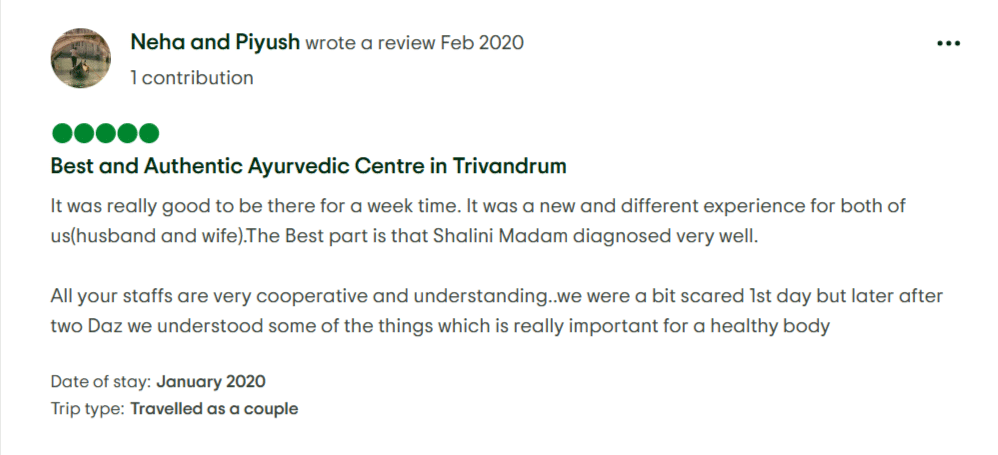
Trip advisor Review

Who Is Ayurvedic Treatment for Pelvic Congestion Syndrome For?

Many women with pelvic congestion syndrome wait years for a clear diagnosis. The pain is real. The investigations often come back normal. And standard treatments provide only partial relief.

Pelvic congestion syndrome produces a specific pattern of symptoms — symptoms that are frequently misattributed to other gynaecological conditions or dismissed entirely. If the following describes your experience, Ayurvedic treatment for pelvic congestion syndrome may be the right next step.

  • You feel a persistent dull ache or heaviness deep in your pelvis — a sensation characteristic of dilated, congested pelvic veins pressing on surrounding structures
  • Your pelvic pain worsens toward the end of the day and eases when you lie down — a pattern that directly reflects the venous pressure changes seen in pelvic congestion syndrome
  • Intercourse is painful or causes a dull ache that lingers afterward — dyspareunia is one of the most consistently reported symptoms of PCS and is caused by engorged pelvic veins
  • You experience heavy or irregular menstrual bleeding that your doctor has not been able to fully explain — chronic pelvic congestion directly disrupts uterine blood flow and menstrual regulation
  • An ultrasound, Doppler, or MRI has shown dilated pelvic or ovarian veins — the structural finding that confirms pelvic congestion syndrome as the underlying cause of your symptoms
  • You have been told you have pelvic congestion syndrome — but you have not found a treatment that addresses the venous congestion and doshic imbalance driving it

What Is Pelvic Congestion Syndrome and Why Does It Cause Chronic Pain?

Pelvic congestion syndrome (PCS) is a chronic vascular condition. It affects women of reproductive age. It develops when the valves inside the ovarian and pelvic veins stop working correctly.

Healthy venous valves allow blood to flow upward and out of the pelvis. When these valves become incompetent, blood flows backward. It pools in the pelvic veins. The veins dilate, become tortuous, and cause persistent congestion — similar to varicose veins in the legs but located deep inside the pelvis.

This sustained venous congestion produces chronic pelvic pain, heaviness, and pressure. The pain worsens with prolonged standing, physical activity, and at certain phases of the menstrual cycle. It eases when the patient lies down, because lying down reduces venous pressure in the pelvis.

PCS predominantly affects women during their reproductive years. Oestrogen stimulates venous dilatation. Multiple pregnancies permanently enlarge pelvic veins. Both factors explain why PCS develops and persists during this period of life.


What are the Symptoms of Pelvic Congestion Syndrome?


PCS symptoms overlap with several other gynaecological conditions. This overlap frequently causes delayed diagnosis.

  • Chronic pelvic pain — dull, aching, and persistent
  • Sensation of heaviness and pressure deep in the pelvis
  • Low backache that accompanies pelvic discomfort
  • Dyspareunia (painful intercourse) and post-coital aching
  • Heavy menstrual bleeding (menorrhagia) or irregular bleeding (metrorrhagia)
  • Bulky or boggy uterus on examination
  • Pain that worsens with prolonged standing, walking, or physical activity
  • Pain that eases when lying down
  • Vague pelvic discomfort that intensifies toward the end of the day

What Causes Pelvic Congestion Syndrome?


Cause

How It Contributes to PCS

Incompetent ovarian or pelvic vein valves

Blood flows backward and pools, causing venous dilatation and congestion

Autonomic nervous system disturbance

Disrupts normal vascular tone and leads to gross pelvic congestion

Oestrogen-mediated venous dilatation

Oestrogen relaxes venous walls, increasing dilatation during reproductive years

Multiple pregnancies

Each pregnancy permanently enlarges pelvic veins

Chronic pelvic inflammatory conditions

Persistent inflammation alters venous structure and tone

Hormonal imbalances

Affect venous elasticity and worsen existing congestion

How Is Pelvic Congestion Syndrome Diagnosed?


PCS is diagnosed through a combination of clinical examination and imaging. No single test is conclusive on its own.

On clinical examination, the doctor looks for tenderness at the junction of the middle and lateral third of the line between the symphysis pubis and the anterior superior iliac spine. Direct ovarian tenderness may also be present.


Investigation

What It Shows

Pelvic venography

Confirms dilated, tortuous ovarian veins of 6 mm diameter or more — the definitive diagnostic study

Doppler scan and duplex ultrasound

Assesses blood flow patterns and identifies venous reflux

CT scan and MRI

Provides detailed vascular mapping of the pelvic region

Angiography

Evaluates vascular anatomy and locates specific venous abnormalities

Laparoscopy

Useful but limited — intraperitoneal pressure can compress vessels and conceal the diagnosis

Note

Laparoscopic diagnosis is unreliable for PCS. Intraperitoneal pressure and the Trendelenburg position compress pelvic veins during the procedure. Veins appear normal during surgery but reappear as pressure reduces. Imaging investigations — particularly venography and Doppler — are more reliable.

How Ayurveda Understands Pelvic Congestion Syndrome?

Ayurveda explains PCS as a condition involving three simultaneous imbalances in the pelvic region.

First, Vata dosha becomes aggravated. Aggravated Vata disrupts the normal flow within the vascular channels (srotas). It creates stasis and congestion where there should be free, directional movement.

Second, Rakta dhatu (blood tissue) becomes vitiated. The tortuous and dilated pelvic veins directly reflect this Rakta dushti — an impurity and structural deterioration in the blood and its channels.

Third, Mamsa dhatu (muscle tissue) and Meda dhatu (fat tissue) become involved. These tissues govern the structural support of pelvic organs and venous walls. Their impairment contributes to the heaviness, pressure, and loss of venous tone that characterise PCS.

Oestrogen-driven venous changes are understood as hormonal imbalances that further aggravate the Pitta and Kapha components within the pelvic channels.


Imbalance

How It Manifests

Vata aggravation

Disrupts directional flow in pelvic srotas, causing stasis, pain, and referred discomfort

Rakta dushti

Produces tortuous, congested pelvic veins and abnormal bleeding

Mamsa and Meda dhatu deterioration

Weakens venous walls and pelvic structural support, worsening congestion


Ayurvedic treatment addresses all three layers. It pacifies Vata, purifies and nourishes Rakta dhatu, and rebuilds tissue integrity in the pelvic region.


Ayurvedic Treatment Protocol for Pelvic Congestion Syndrome At Saatwika Ayurveda

Treatment is not a single medicine or a single procedure. It is a structured protocol tailored to your specific doshic imbalance, menstrual pattern, symptom severity, and current treatment capacity.

Step 1 — Assessment and Preparation

Before treatment begins, your Ayurvedic doctor conducts a full assessment.

  • Detailed consultation: Complete history of your symptoms, menstrual pattern, obstetric history, and previous investigations.
  • Prakriti and vikriti assessment: Your body constitution and current imbalance are identified through pulse diagnosis (Nadi Pariksha) and clinical examination.
  • Review of investigations: All ultrasound, Doppler, venography, MRI, or CT reports are reviewed to correlate conventional findings with your Ayurvedic picture.
  • Ama assessment: If digestive toxins are present, they are cleared before channel-opening therapies begin.
  • Preparation guidance: You are advised to maintain adequate water intake, avoid constipation, begin eliminating aggravating foods, and ensure adequate rest before treatment starts.

Step 2 — Internal Herbal Medicines

Internal medicines form the foundation of Ayurvedic PCS treatment. They work systemically — correcting the doshic imbalance, purifying the blood tissue, and restoring venous tone from within.

Triphala Guggulu

Purifies Rakta dhatu and reduces venous congestion. Carries potent anti-inflammatory properties and is particularly useful where chronic congestion and tissue toxicity are present.


Madhusnuhi Rasayana

Nourishes and rejuvenates tissues. Improves venous tone and supports overall reproductive health through sustained tissue rebuilding.


Pushyanuga Churnam

Targets chronic pelvic pain and menstrual irregularities directly. Specifically indicated for menorrhagia and metrorrhagia — the two most common bleeding disturbances in PCS.


Asokarishtam

A fermented herbal tonic prepared with Ashoka bark. Strengthens the uterus and pelvic organs, corrects abnormal uterine bleeding, and reduces pelvic congestion progressively.


Kanasatahwadi Kashayam

Addresses pain, heaviness, and vascular dysfunction in the lower abdomen and pelvic region.


Musalikhadiradi Kashayam

Supports Mamsa and Rakta dhatu simultaneously. Relieves pelvic pain and improves the quality of reproductive tissue.


Prescription Note

Medicines are prescribed individually based on your assessment. Your doctor selects the combination and course appropriate to your presentation.


Step 3 — Yoni Pichu (Local Medicated Oil Application)

Yoni Pichu is a targeted Ayurvedic local therapy. A sterile preparation saturated with medicated oil is placed in the vaginal canal for a defined period. This delivers the therapeutic properties of the oil directly to the pelvic tissues — reducing local inflammation, relieving pain, and nourishing the venous walls and pelvic structures at the site of congestion.


Oil

Therapeutic Action

Dhanwanthara Taila

Vata-pacifying medicated oil that relieves pain, stiffness, and vascular congestion in the pelvic region

Ksheerabala Taila

Nourishes and strengthens reproductive tissues, reduces dyspareunia, and improves structural resilience of the pelvic venous walls


Note

Trained Ayurvedic practitioners perform Yoni Pichu in a clinical setting. The procedure is non-invasive, and the oil and method are selected based on your individual assessment.


What is Pelvic Congestion Syndrome Treatment  at Saatwika Ayurveda Includes

  • A comprehensive Ayurvedic consultation with Nadi Pariksha (pulse diagnosis) and dosha assessment
  • Review of all previous investigations
  • A personalised treatment plan based on your prakriti, vikriti, and symptom severity
  • Internal herbal medicines — kashayams, rasayanas, churnas, and arishtams prescribed specifically for your case
  • Yoni Pichu therapy with individually selected medicated oils
  • Diet and lifestyle guidance specific to your stage of condition and menstrual pattern
  • Therapeutic yoga and pranayama protocol
  • Home remedy recommendations
  • Follow-up consultations to monitor and adjust treatment


What to Expect from Ayurvedic Treatment for Pelvic Congestion Syndrome?


Timeline

Most patients notice a reduction in pelvic heaviness and end-of-day pain within the first 2–3 weeks of treatment. Menstrual irregularities begin to improve within one to two complete menstrual cycles. Significant and sustained improvement in chronic pelvic pain generally requires a course of 8–12 weeks.


During Treatment

  • Pelvic heaviness and pressure reduce progressively
  • End-of-day pain and discomfort ease as venous tone improves
  • Menstrual bleeding becomes more regular and less heavy
  • Dyspareunia reduces with Yoni Pichu and internal medicines working together


After Completing a Course

  • Significantly reduced chronic pelvic pain
  • Improved venous tone and reduced pelvic varicosities
  • More regular and manageable menstrual cycles
  • Reduced dependency on analgesics and hormonal interventions
  • Improved capacity to stand, walk, and carry out daily activities without pain


After the main treatment course, periodic follow-up and seasonal Ayurvedic support help prevent recurrence — particularly during hormonal transitions such as postpartum recovery and perimenopause.

Diet, Lifestyle, and Yoga During Treatment

Diet and lifestyle are not supplementary advice. They are active components of your treatment. The right choices accelerate recovery. The wrong choices directly aggravate Vata and Pitta and slow healing.

What is the Ideal Diet for Pelvic Congestion Syndrome Patients?

What to eat:

  • Warm, freshly cooked, easily digestible meals at regular mealtimes
  • Adequate water intake throughout the day — dehydration worsens pelvic venous pressure
  • Cooked green vegetables and seasonal produce
  • Whole grains — rice and wheat in well-cooked preparations
  • Mild spices — cumin, coriander, and turmeric support channel clearance and digestion
  • Ghee in moderate quantities — lubricates channels and supports tissue nourishment

What to avoid:

  • Sour and acrid foods that aggravate Pitta and Vata
  • Dry, hard-to-digest, or processed foods
  • Cold, raw, or refrigerated foods
  • Spicy, fried, and excessively salty preparations
  • Alcohol and carbonated beverages
  • Irregular mealtimes and skipping meals


What are the Lifestyle Recommendations During Pelvic Congestion Syndrome Treatment

  • Avoid prolonged standing or sitting. Take regular movement breaks every 30–40 minutes.
  • Rest adequately during menstruation and during acute pain episodes.
  • Maintain consistent pelvic and personal hygiene to prevent secondary infections.
  • Eat at regular intervals. Digestive irregularity directly worsens Vata and slows recovery.
  • Sleep for adequate hours and maintain a consistent sleep-wake routine.
  • Avoid heavy lifting, strenuous physical exertion, and prolonged physical activity during flare-ups.


Yoga and Pranayama for Pelvic Congestion Syndrome

Gentle, consistent practice reduces autonomic nervous system dysregulation — one of the underlying drivers of pelvic vascular congestion.

Nadi Shuddhi Pranayama (Alternate Nostril Breathing)

Directly balances the autonomic nervous system. Reduces sympathetic overdrive, calms Vata, and supports healthy vascular tone in the pelvic region. Daily practice for 10–15 minutes is recommended throughout the treatment period and as an ongoing preventive measure.

What are the Common Misconceptions About Pelvic Congestion Syndrome


Misconception

The Reality

Chronic pelvic pain without a structural finding is psychological.

PCS is a vascular condition. The pain originates in genuinely dilated, congested pelvic veins. Standard laparoscopy often misses it because pelvic veins decompress under intraperitoneal pressure. Venography or Doppler is required for accurate diagnosis.

Painkillers and hormonal therapy will resolve PCS.

Analgesics and hormonal interventions manage symptoms. They do not correct the underlying venous incompetence or remove congestion from the pelvic channels. Symptoms typically return when medication stops.

Ayurveda only offers general wellness — it cannot address a vascular condition.

The Ayurvedic protocol directly targets the vascular layer. Triphala Guggulu purifies Rakta dhatu. Yoni Pichu delivers medicated oil directly to the congested pelvic tissues. The approach is specific, not general.

Surgery is the only definitive treatment for PCS.

Embolisation addresses venous anatomy but not the doshic imbalance driving congestion. Many women experience recurrence in residual or collateral veins. Ayurvedic treatment addresses the root cause.

What are the Common Misconceptions About Pelvic Congestion Syndrome


Misconception

The Reality

Chronic pelvic pain without a structural finding is psychological.

PCS is a vascular condition. The pain originates in genuinely dilated, congested pelvic veins. Standard laparoscopy often misses it because pelvic veins decompress under intraperitoneal pressure. Venography or Doppler is required for accurate diagnosis.

Painkillers and hormonal therapy will resolve PCS.

Analgesics and hormonal interventions manage symptoms. They do not correct the underlying venous incompetence or remove congestion from the pelvic channels. Symptoms typically return when medication stops.

Ayurveda only offers general wellness — it cannot address a vascular condition.

The Ayurvedic protocol directly targets the vascular layer. Triphala Guggulu purifies Rakta dhatu. Yoni Pichu delivers medicated oil directly to the congested pelvic tissues. The approach is specific, not general.

Surgery is the only definitive treatment for PCS.

Embolisation addresses venous anatomy but not the doshic imbalance driving congestion. Many women experience recurrence in residual or collateral veins. Ayurvedic treatment addresses the root cause.

Scroll to Top