

Ayurvedic Treatment in Kerala | Choose An Ayurvedic Hospital in Kerala

Ayurvedic treatment in Kerala is a doctor-led course of oil therapies, cleansing procedures, medicines and diet, planned around your condition and body type. It is delivered in hospitals, clinics and resorts, and they are not the same. This guide explains what the treatment involves, which conditions it is used for, how to check an Ayurvedic hospital before you commit, and what to expect from a course.

Best Ayurvedic Treatment Centre in Trivandrum Travelers Choice
Best Ayurvedic Treatment Centre in Trivandrum certificate by trip advisor

Saatwika Ayurvedic Treatment Hospital in Kerala

Saatwika Ayurveda is led by Dr. Salini L S, Chief Physician and Managing Director, with 18 years of experience in Ayurvedic pain management and Panchakarma. Our treatment centre is in Thiruvananthapuram, and the page on Ayurvedic treatment in Trivandrum covers visiting us in person.

Saatwika is a government-licensed Ayurvedic hospital with 8 inpatient rooms and outpatient consultation. Guests have rated it highly enough to win the Tripadvisor Travellers’ Choice Award and the Certificate of Excellence. It is supported by Saatwika Ayurveda Academy, which is approved by Bharath Sevak Samaj, a national development agency promoted by the Government of India.

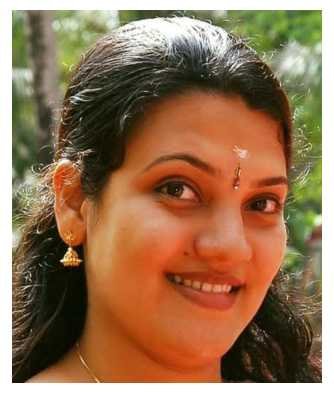
Best Ayurvedic Hospital in Trivandrum Kerala

What Ayurvedic treatment in Kerala involves

A course combines a doctor's diagnosis, external therapies, internal medicines and a diet plan. The mix is set for you and reviewed as you respond.

Kerala follows a tradition often called Keraliya Ayurveda. It is known for oil-based therapies, supervised Panchakarma and the use of classical medicines such as kashayams, medicated oils and ghee preparations.

A typical course has four parts:

For conditions that need cleansing, the doctor may add a Panchakarma programme. We explain it on our Panchakarma treatments in Kerala page.

Ayurvedic hospital, clinic or resort: what is the difference?

A hospital treats medical conditions with a doctor and, usually, inpatient care. A resort sells a wellness stay. Ask which one you are booking.

Ayurvedic hospitalAyurvedic clinicWellness resort or spa
Main purposeTreat a diagnosed conditionConsultation and outpatient treatmentRelaxation and rejuvenation
DoctorQualified Ayurvedic physician plans and reviews treatmentPhysician-ledOften a visiting or consulting doctor
StayInpatient and outpatient optionsOutpatient (you stay nearby)Resort stay in a package
MedicinesPrescribed for your conditionPrescribed for your conditionOften limited or standard
Follow-upReview and continuing planReview and continuing planUsually ends at checkout
Some places that call themselves hospitals are resorts with a therapy menu. The checks in the next section help you tell the difference.

How to choose an Ayurvedic hospital in Kerala

Check the licence, the doctor, the medicines, the treatment plan and the follow-up. A good hospital answers each of these before you pay.

  • 1. Check the licence. A hospital should hold the government licence or registration required to run an Ayurvedic hospital, and should show it when asked. Ask for the licence number and the authority that issued it.
  • 2. Check the physician. Look for a BAMS or higher degree and registration with the relevant state council. Ask who will actually treat you, not only who owns the centre.
  • 3. Ask about inpatient care. Find out how many inpatient rooms there are, whether doctors review patients daily and what happens if you need help at night.
  • 4. Treat accreditation as an extra signal, not the only one. The NABH Ayush hospital programme, run with the Ministry of Ayush since 2009, assesses patient care, medication management, infection control and facility safety. For Ayurveda hospitals it applies to those with at least 10 inpatient beds, so many smaller licensed hospitals are assessed on the other checks. NABH publishes a list of accredited organisations, so any claim can be verified.
  • 5. Ask where the medicines come from. Reputable centres name their sources and prepare or procure classical formulations. Ask about quality testing, especially for any herbo-mineral preparation.
  • 6. Ask for a written plan. It should list the diagnosis, the therapies, the expected duration and the review points.
  • 7. Ask about follow-up. A course should not end at discharge. Ask about reviews, continuing medicines and how to reach the doctor later.
  • 8. Ask about cost in writing. Treatment, rooms, medicines and consultation are sometimes quoted separately.
  • 9. Be careful with guarantees. No honest practitioner promises a cure or a fixed result.
Kerala has a large number of Ayurveda institutions. A PTI-based report published by Medical Dialogues on 21 September 2025 said Kerala has 250 AYUSH institutions accredited by NABH. Accreditation is voluntary and covers systems and safety, not outcomes. The licence and physician checks apply to every hospital.

How Saatwika meets these checks

Saatwika is a government-licensed hospital with a named physician, 8 inpatient rooms, a written plan and a follow-up schedule.

Dr Salini L S Chief Physician, Saatwika Ayurveda Treatment Centre

Dr. Salini L S
BAMS, M D & Chief Physician 

  • Licence: Saatwika is a government-licensed Ayurvedic hospital. Ask us for the licence details at your consultation.
  • Physician: Dr. Salini L S, Chief Physician and Managing Director, BAMS (MG University, Kerala), 18 years of experience in pain management and Panchakarma.
  • Inpatient care: 8 inpatient rooms, plus outpatient consultation. Rooms are limited, so book ahead for a residential course.
  • Recognition: Tripadvisor Travellers' Choice Award winner and holder of the Tripadvisor Certificate of Excellence, based on guest reviews.
  • Plan and cost: a written plan after consultation, and a written quote within 24 hours of an enquiry.
  • Follow-up: teleconsultations at 2, 6 and 12 weeks and a herbal medicine supply for 30 to 60 days after discharge.
  • Academy: Saatwika Ayurveda Academy, approved by Bharath Sevak Samaj, trains students in Ayurveda and Panchakarma. See our courses.

How consultation at Saatwika Ayurveda works before treatment starts

The doctor takes a full history, examines you using classical methods, adds modern tests where needed, and only then designs the plan.

A correct diagnosis comes before any therapy. At Saatwika the doctor examines both the person (rogi pariksha) and the disease (roga pariksha). Case taking covers:

  • Symptoms and how they have changed
  • How long the problem has lasted
  • Present condition and severity
  • Treatment and medication history
  • Hereditary factors
  • What aggravates and what relieves the problem

The classical examination uses Nadi pariksha (pulse), Trividha pariksha, Ashtasthana pariksha, Dasavidha pariksha and Prakriti pariksha (body constitution). Together they show which doshas are disturbed. Where useful, the doctor also asks for blood tests, scans or X-rays, so the real cause is found and complications are avoided. The treatment plan follows only after this.

We do not sell ready-made packages. Each plan is designed for the patient after assessment, so two people with the same diagnosis may receive different treatment.

Diet and regimen during treatment

Meals are simple, vegetarian and easy to digest, and the daily routine is kept restful so the treatment can work.

  • Food: a simple vegetarian diet with less spice and oil, based on Saatwika Ahara. No artificial colours, preservatives or sauces.
  • Ingredients: vegetables and provisions come from certified organic shops and farms.
  • Rest: proper sleep and rest are advised, and strenuous activity is not allowed.
  • Environment: air conditioning is not used during treatment, and gadget use is restricted.

These rules are part of the treatment. Our Ayurvedic diet guidance explains the principles.

Medicines used at our pharmacy

We use classical herbal medicines supplied by an established Kerala manufacturer, and we explain what each one is for.

Our in-house pharmacy dispenses classical Ayurvedic medicines supplied by a Kerala manufacturer with a history of about 150 years. You can read about the Ayurvedic medicines we use.

Rooms and facilities for inpatients

Eight inpatient rooms with attached bathrooms, a dining area, yoga space and free wifi.

  • Eight spacious inpatient rooms with attached bathrooms
  • Separate dining area, common balcony, yoga space and TV hall
  • Free high-speed wifi throughout
  • A homely, quiet setting suited to a stress-free stay

Conditions treated with Ayurveda Treatment in Kerala

Ayurveda is most often sought for pain, joint, skin, digestive, women's health, neurological and lifestyle conditions. Each condition has its own page with the treatment approach.

GroupConditionsRead more
Spine and backBack pain, disc bulge, sciatica, lumbar spondylosis, sacroiliitisBack pain treatment, disc bulge, sciatica, lumbar spondylosis
Joints and arthritisRheumatoid arthritis, osteoarthritis, knee pain, goutArthritis, rheumatoid arthritis, knee joint pain
SkinPsoriasis, eczema, other skin diseasesSkin diseases, psoriasis, eczema
Women's healthPCOS, menstrual disorders, pre-natal and post-natal carePCOS, menstrual disorders, pre-natal and post-natal care
Neurological and stressNeurological diseases, stress, sleep problemsNeurological diseases, stress
Lifestyle and weightObesity, diabetes support, lifestyle diseasesWeight loss treatment, lifestyle diseases
Digestive and ENTDigestive disorders, sinusitisDigestive disorders, sinusitis

Not listed? See every condition on our conditions and treatments page.

How long does a course take?

Most courses run from one to four weeks. Chronic or skin conditions can take longer. The doctor sets the final plan after consultation.

The ranges below come from our own condition pages. They are typical, not guaranteed.

ConditionTypical course stated on our page
Arthritis and neurological conditions7 to 28 days
Rheumatoid arthritis and obesity14 to 28 days
Back pain (acute to chronic)7 to 10 days up to 21 to 28 days, depending on diagnosis
Neck pain, fibromyalgia, frozen shoulder7 to 21 days
PsoriasisA minimum of 21 days
Karkidaka rejuvenation programme21 to 45 days

Chronic conditions may need repeat courses. If a hospital quotes a fixed number of days before examining you, ask how it was decided.

Best time for Ayurvedic treatment in Kerala

Traditionally the monsoon, called Karkidakam in July and August, is the preferred season for rejuvenation. Treatment is possible all year.

Kerala Tourism describes Karkidakam, the last month of the Malayalam calendar, as the traditional season for Ayurvedic rejuvenation. The idea is that the body responds well to treatment in the cool, rainy weather. A common feature is karkidaka kanji, a medicated gruel made with njavara rice and a mix of 12 to 24 herbs. A vegetarian diet is advised in the season.

Our Karkidaka Chikitsa programme follows this tradition. For people with painful or chronic conditions, the right time is usually when treatment is needed, and the doctor can plan around the season.

What to expect when you come to Kerala for treatment

You can start with an online consultation, travel once the plan is clear, and continue by teleconsultation after you return home.

  • Before you travel: book an online consultation so the doctor can review your history and reports. You receive a written quote within 24 hours of an enquiry.
  • On arrival: a full consultation, then your plan. Meals are vegetarian and set for your dosha.
  • During the course: daily therapies, medicines and diet, with doctor reviews.
  • After discharge: teleconsultations at 2, 6 and 12 weeks, and a supply of herbal medicines for 30 to 60 days.
  • Getting here: the centre is about 7 km from Trivandrum International Airport and 3 km from the central railway station. Free pick-up and drop-off is available on request.
  • Consultation hours: 10:00 AM to 4:00 PM with the Chief Physician. Prior appointment is needed.
  • Rooms: Saatwika has 8 inpatient rooms, so book early for a residential course, especially in the monsoon season.

Our centre is in Thiruvananthapuram. See Ayurvedic treatment in Trivandrum for the address, directions and visiting details.

What affects the cost of Ayurvedic treatment in Kerala

Cost depends on the length of stay, the therapies, the medicines and the room. Ask for a written quote that lists each part.

  • Number of days and whether you stay as an inpatient or visit as an outpatient.
  • Type and number of therapies. Some, such as oil-flow therapies, take more time and materials.
  • Medicines, which differ by condition and by how many are prepared fresh.
  • Accommodation and meals, if you stay.
  • Follow-up care and medicines to take home.

We do not publish fixed prices because the plan is set by the doctor. Contact us for a written estimate after your consultation.

Common mistakes and myths

Most poor experiences come from booking a package before knowing what treatment is needed.

  • Myth: Ayurvedic treatment in Kerala is a spa experience. Reality: a hospital course is prescribed for a diagnosed condition and has a medical plan.
  • Myth: all centres in Kerala are equally authentic. Reality: standards vary. Check the doctor, accreditation and medicines.
  • Myth: a longer stay always gives better results. Reality: duration depends on the condition and your response.
  • Mistake: choosing a centre by its resort photos. Ask for the treatment plan instead.
  • Mistake: stopping allopathic medicines on your own. Tell both doctors what you take.
  • Mistake: expecting a cure in one visit. Chronic conditions often need follow-up.

Frequently asked questions

It is a doctor-planned course of therapies, medicines and diet based on Keraliya Ayurveda. It aims to treat the condition and restore balance in the body.

Ask to see the government licence, check the physician's qualification and registration, ask how inpatient care works, ask where the medicines come from, and request a written plan, duration and cost. Accreditation such as NABH is an extra signal you can verify on the NABH list.

Yes. A hospital treats diagnosed conditions with a physician and usually offers inpatient care. A clinic is outpatient. A resort offers a wellness stay and may have limited medical care.

It is a voluntary quality accreditation under the Ministry of Ayush programme. For Ayurveda hospitals it covers those with at least 10 inpatient beds, and Panchakarma clinics are assessed separately. A hospital without it can still be fully licensed.

Yes. Saatwika is a government-licensed Ayurvedic hospital with 8 inpatient rooms and outpatient consultation. Licence details are available on request.

Commonly back and joint pain, arthritis, skin diseases, women's health conditions, neurological conditions, stress and lifestyle disorders. Each has its own page on this site.

The monsoon month of Karkidakam, in July and August, is the traditional season. Treatment can be planned in other months, and the doctor will advise.

It depends on the condition. Many courses run 7 to 28 days. Psoriasis courses on our site are a minimum of 21 days, and Karkidaka rejuvenation runs 21 to 45 days.

Yes. Book an online consultation so the doctor can review your history and reports and suggest a plan.

It is safest under a registered physician with quality-checked medicines. Tell your doctor about all medicines and conditions, including pregnancy, liver or kidney disease. Ask about herbo-mineral preparations.

Want to know more about the therapies, Pckages and Consultation

This guide does not diagnose any condition, quote prices, or describe each therapy in detail. It cannot replace an examination by a physician.

Plan your treatment in Kerala with Dr. Salini L S

Share your history and reports. We reply with a written plan and quote within 24 hours.

Scroll to Top