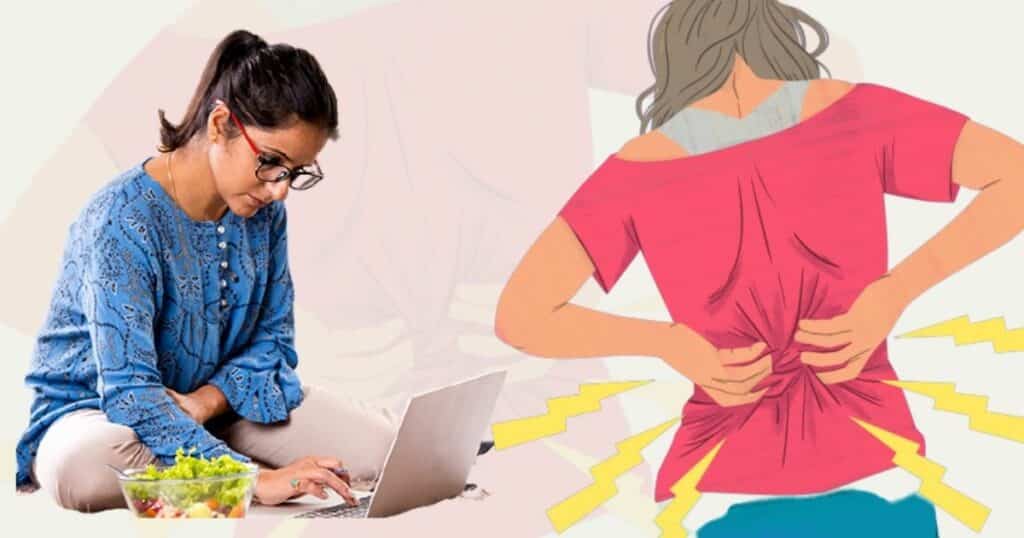
Back pain is one of the most common health issues among IT professionals today.
Long hours of sitting, poor posture, and work stress gradually weaken the spine and disturb Vata dosha, leading to stiffness, pain, and fatigue.
Ayurvedic treatment for back pain due to IT jobs focuses on correcting these imbalances through lifestyle modification, dosha balancing, and spinal rejuvenation.
Instead of just masking the pain, Ayurveda restores musculoskeletal strength, nourishes the nervous system, and promotes long-term spinal health through a personalized blend of therapies, diet, and yoga routine
The Silent Epidemic of IT Back Pain
Growing prevalence among tech professionals
With the rapid expansion of the IT industry, musculoskeletal disorders have become a silent epidemic. Studies suggest that between 45% to 70% of IT employees experience chronic or recurrent back pain. The root causes include prolonged sitting, poor ergonomics, stress, and irregular lifestyle habits. Over time, these factors cause muscular stiffness, reduced spinal flexibility, and poor posture, which in turn affect work productivity and mental well-being.
Why painkillers and ergonomic chairs aren’t enough
In the early stages, people often rely on painkillers, muscle relaxant sprays, or ergonomic setups to manage their discomfort. While these may provide temporary relief, they do not address the deeper physiological imbalance. Once the spinal muscles become stiff and inflamed, or when disc-related issues develop, external aids and painkillers only mask the symptoms.
Ayurveda, on the other hand, provides a complete rejuvenative approach. It soothes inflammation, strengthens the spinal muscles, restores nourishment to the tissues, and prevents further degeneration. This comprehensive approach not only relieves pain but also revitalises the spine and nervous system.
Ayurveda’s holistic lens: treating the root cause, not just symptoms
The Ayurvedic approach for back pain emphasises identifying and correcting the root cause rather than merely suppressing symptoms.
By balancing Vata dosha, improving circulation, strengthening bone and muscle tissues, and maintaining daily and seasonal discipline (Dinacharya and Ritucharya), Ayurveda ensures sustainable spinal health.
It also integrates dietary habits, mental relaxation, and stress management as part of therapy.
Understanding Back Pain in the IT Lifestyle
A sedentary lifestyle is the hallmark of most IT jobs. Sitting for 8–10 hours daily with little movement leads to stagnation in the body’s natural flow of energy. According to Ayurveda, this stagnation increases Vata dosha, the principle governing movement, nerve impulses, and flexibility.
When Vata becomes aggravated, it causes dryness (Roukshya), stiffness (Stambha), and pain (Shoola) in the body. These manifest as muscular tightness, restricted movements, and chronic back discomfort. Furthermore, reduced physical activity weakens digestion (Agni), leading to the accumulation of toxins (Ama) that block the body’s channels (Srotas) and aggravate pain.
Sedentary behaviour → imbalance in Vata dosha
Continuous sitting leads to stagnation of Vata dosha, which governs all movement in the body. Lack of physical activity and exposure to air-conditioned environments increases dryness (Roukshya) and coldness, aggravating Vata in the lumbar region.
Physiological factors: muscle tension, poor digestion, dehydration
Improper digestion (Agni mandya) contributes to accumulation of ama (toxins), which further obstructs channels of circulation (srotorodha). Dehydration and poor nourishment weaken Asthi dhatu (bone tissue) and Majja dhatu (nervous tissue), intensifying back pain.
Psychological factors: stress, overwork, sleep irregularity
Mental stress, tight deadlines, and sleep deprivation worsen Vata imbalance, often manifesting as muscle tension, stiffness, or erratic pain patterns.
How “Roukshya” (dryness) and “Stambha” (stiffness) manifest in the spine
When Vata becomes aggravated, it causes loss of lubrication in joints, leading to Roukshya. Over time, this results in Stambha or rigidity of the back muscles and intervertebral structures, making movement painful and limited.
Ayurvedic View: Dosha Imbalance and Pathogenesis
Role of Vata aggravation in spinal discomfort
Vata dosha, being light, dry, and mobile, predominates in the lower part of the body. Prolonged sitting and mental strain vitiate Vata, which then localises in the Kati pradesha, causing Katigraha. This leads to pain, stiffness, and reduced mobility.
Connection between Asthi dhatu and Majja dhatu
Ayurveda explains that Asthi and Majja dhatu are nourished through proper digestion and balanced metabolism. When Vata aggravates, the nourishment to these tissues is compromised, resulting in weakness of the bones, discs, and nerves.
Concept of Katigraha in Ayurveda
Katigraha literally means “grasping or stiffness of the lower back.” It is a vata-dominant joint disease affecting the lumbar spine. Additionally, there is an associated decrease in kapha dosha, which can lead to dryness in the spinal region, further aggravating the condition. The classical symptoms include Kati shoola (Low back pain), Stambha ( low back stiffness), and Prasarana-akunchana pravrutti savedana (pain during extension and flexion of low back).
How sitting for long hours disturbs natural dosha flow
The natural downward movement of Apana Vata gets obstructed when one sits for extended periods without movement. This stagnation leads to accumulation of Vata in the lumbar and sacral regions, producing chronic backache and fatigue.
Ayurvedic Diagnostic Approach
Rogi-Roga Pariksha: assessing prakriti, posture, diet, bowel habits, stress level
Ayurvedic evaluation begins with understanding the individual’s Prakriti (constitution), occupation, dietary habits, and sleep patterns. Constipation, dryness of skin, irregular appetite, and high stress suggest Vata dominance.
Pulse diagnosis and pain mapping
Through Nadi Pariksha, the physician identifies the predominance of doshas viz,Vata/Pitta/Kapha or a combination of these doshas with irregular, feeble pulse. mapping for low back disorders involves identifying the location, quality, and pattern of a patient’s pain to pinpoint the specific anatomical structure responsible for the symptoms. Common sources of low back pain include the lumbar nerve roots (radicular pain), the facet joints, and the sacroiliac (SI) joints. Pain mapping guides selection of oil, therapy type, and Panchakarma sequence.
Difference between Vataja and Amasaya origin pain
Pain arising from Vataja nidana is sharp and variable, often relieved by warmth and oiling, whereas Amasaya origin pain arises from Ama accumulation accompanied by heaviness, nausea, and fatigue. For amasaya origin pain, the patient needs to be administered with agni vardhana dravyas (drugs that enhance digestion and metabolism). Differentiation ensures the correct sequence of purification and pacification therapies.
Panchakarma and External Therapies
Abhyanga (Oil Massage)
A gentle full-body massage using medicated oils such as Mahanarayana Taila or Dhanwantharam Taila helps relax tight muscles, improve blood flow, and lubricate the joints. Daily Abhyanga is also preventive in nature.
Kati Basti
Kati Basti, a specialised treatment in which warm medicated oil is retained over the lumbar region within a dough ring.
This therapy deeply nourishes the tissues, reduces stiffness, and alleviates chronic back pain. It’s particularly beneficial in degenerative disc conditions and muscle spasms.
Matra Basti
Key therapy for Vata pacification and spinal health. This medicated enema targets the root of Vata imbalance in the colon. It helps lubricate the spine and joints, improves nerve function, and strengthens lower back muscles. Regular Basti therapy is considered one of the best treatments for chronic back pain.
Other Panchakarma Therapies
Depending on chronicity and body type, therapies like Pizhichil (oil pouring), Elakizhi (herbal poultice massage), and Njavara Kizhi (rice bolus massage) may be prescribed. These therapies reduce inflammation, enhance flexibility, and rejuvenate muscles and nerves.
A typical Panchakarma course may last 7 to 14 days, with periodic follow-up and maintenance therapies every few months.
Ayurvedic Medicines and Home Remedies
Classical formulations
- Yograj Guggulu tablet: Traditionally used to support joint comfort and manage Vata imbalance.
- Dashamoola Kwath (decoction): A combination of ten roots that supports flexibility and reduces stiffness.
- Rasnadi Kashayam (decoction): Supports muscle and nerve health.
- Simhanada Guggulu and Triphala Guggulu may be used under professional guidance for chronic conditions.
External oils and herbal applications
Regular application of Mahanarayana taila, Dhanwantharam taila, or Sahacharadi taila may support back comfort. Warm fomentation after oiling enhances absorption.
Safe, doctor-guided usage
Self-medication should be avoided. These formulations are to be used under the supervision of a qualified Ayurvedic physician who can customise dosage and duration.
Home Remedies
Simple home remedies like gentle oil application followed by warm water bath, or consumption of warm ginger-infused water, can support recovery.
Lifestyle and Diet Modifications
Anti-Vata Diet
Adopt a diet that is warm, freshly cooked, and nourishing. Include ghee, soups, lentils, root vegetables, and whole grains. These foods provide unctuousness and strength to counteract dryness and stiffness.
Avoid foods that aggravate Vata
Cold beverages, raw salads, stale or processed foods, curd, and fried snacks should be limited. Excess caffeine and sugar can also disturb Vata balance and digestion.
Hydration and Herbal Teas
Drink warm water frequently throughout the day. Herbal teas made from Triphala, Dashamoola, or Guggulu blends help detoxify tissues and maintain hydration.
Posture, Movement, and Sleep
Maintain an ergonomic posture while sitting, take micro-breaks every hour, and stretch your body gently. Prioritise 7–8 hours of quality sleep at night, avoiding late-night screen time and day sleeping.
Yoga and Ayurvedic Exercise Integration
Asanas for Back Strength and Flexibility
Certain yogasanas are particularly beneficial for spinal health, such as:
- Bhujangasana (Cobra Pose) – strengthens back muscles
- Shalabhasana (Locust Pose) – improves spinal tone
- Makarasana (Crocodile Pose) – relaxes the lower back
Practising these regularly improves flexibility, posture, and overall back stability.
Breathing and Mindfulness Techniques
Breathing practices like Nadi Shodhana (Alternate Nostril Breathing), Bhramari (Humming Bee Breath), and Deep Belly Breathing calm the nervous system, reduce stress, and balance Vata dosha. These techniques also enhance concentration and mental clarity.
Desk-Friendly Movement Hacks
Simple seated stretches can make a huge difference during work hours. Perform neck rotations, gentle seated twists, and shoulder rolls every hour. These movements improve circulation, reduce muscle tension, and refresh the mind.
Preventive Strategies for IT Professionals
Ayurvedic Workday Routine (Dinacharya Adaptation)
Morning Routine (Pre-Work / Home)
4:30 AM – Wake Up: Aligns with circadian rhythm
4:35 AM – Drink Lukewarm Water: Cleanses the system
4:40 AM – Oral Hygiene and Elimination: Herbal brushing and bowel clearance
4:50 AM – Nasya: 3–5 drops of sesame oil in nostrils
5:00 AM – Gargle with ghee/oil-infused warm water
5:10 AM – Abhyanga: 10–15 minute self-massage
5:30 AM – Mild Exercise / Yoga: 20–30 minutes
6:15 AM – Bath and refresh with lukewarm water
6:45 AM – Light, Warm Breakfast: Cooked grains, root vegetables, herbal tea
7:15 AM – Meditation / Mindfulness: 5–10 minutes
During Work / Office Routine: Aim to work for 40–50 minutes at your desk, then take a 2-minute walk before returning.
9:00 AM – Start Work: Maintain ergonomics
10:30 AM – Micro-Break and Stretch: Shoulder rolls, neck rotations, desk twists
12:30 PM – Lunch: Warm, cooked, easily digestible meals
2:30 PM – Short walk / movement break in addition to the 2-minutes desk breaks
4:00 PM – Herbal Tea
5:00 PM – Desk-Friendly Stretch
6:30 PM – Light Snack (Optional)
7:00 PM – Finish Work
Evening / Night Routine (Post-Work / Home)
7:30 PM – Dinner: Light, warm meals
8:30 PM – Gentle Movement / Yoga: Forward bends, restorative poses
9:00 PM – Mindfulness and Deep Breathing: Pranayama and meditation
9:30 PM – Foot Oil Massage / Relaxation: Prepare for sleep
10:00 PM – Sleep: 7–8 hours restorative rest
Note: You can customise it as per your work-life schedule
Ergonomic Setup with Ayurvedic Principles
- Choose a supportive chair – Ensure lumbar support, keep both feet flat, and maintain knees at 90 degrees.
- Avoid slouching or hunching – Keep the head aligned with shoulders.
- Do not cross legs – It affects spinal alignment and blood flow.
- Take frequent breaks – Stand, walk, or stretch every hour.
- Stretch regularly – Gentle full-body stretches rejuvenate muscles and prevent fatigue.
Seasonal Detox and Panchakarma
Periodic detoxification through Virechana (purgation), Vasti (enema therapy), or Karkidaka Chikitsa (monsoon rejuvenation therapy) is highly beneficial. These therapies help remove toxins, strengthen the spine, and restore vitality.
Conclusion: Restoring Balance and Building Resilience
Ayurvedic management of back pain in IT professionals is a multi-dimensional process. It combines therapies that address the physical, mental, and emotional aspects of health. Consistent treatment, proper posture, balanced nutrition, and stress management are key to maintaining spinal wellness.
By focusing on the root cause, i.e. Vata imbalance, Ayurveda ensures long-term relief rather than temporary symptom control. With regular practice of yoga, adherence to a proper routine, and professional Ayurvedic guidance, one can achieve sustained spinal strength, improved posture, and better productivity at work.
Consulting a qualified Ayurvedic physician is always recommended to design a personalised plan that suits your body constitution, occupation, and lifestyle.
To the core, Ayurveda reminds us that prevention is better than cure, and a balanced life is the foundation of a healthy spine and a peaceful mind.
Frequently Asked Questions
How long does Ayurvedic treatment take to relieve back pain in IT professionals?
The duration of Ayurvedic treatment for back pain varies based on the severity and chronicity of the condition. For acute back pain (recent onset), noticeable relief can be experienced within 7 to 14 days of starting treatment with therapies like Kati Basti and Abhyanga. For chronic back pain that has persisted for months or years, a comprehensive treatment plan lasting 21 to 45 days may be required, followed by periodic maintenance sessions every 3 to 6 months. Most IT professionals report significant improvement in pain levels, stiffness, and mobility within the first 2 to 3 weeks of consistent Ayurvedic treatment. However, complete healing and prevention of recurrence require adherence to lifestyle modifications, diet changes, and regular yoga practice alongside the treatment
Can I continue working at my IT job during Ayurvedic treatment?
Yes, you can usually continue working during most Ayurvedic treatments for back pain — but the exact advice depends on the severity of your pain and the intensity of your treatment plan.
For mild back pain: You can generally continue your regular work routine while undergoing therapies like Kati Basti, Abhyanga, or oral Ayurvedic medications. These treatments are designed to reduce inflammation, improve flexibility, and nourish spinal tissues without causing fatigue. Try scheduling your sessions in the early morning or evening to minimize disruption to your workday. After each therapy, rest for 30–60 minutes, and avoid heavy lifting or sudden twisting movements.
For moderate pain: Continue working, but with certain precautions. Make sure your workstation is ergonomically aligned — keep your spine straight, feet flat on the floor, and screen at eye level. Take short movement breaks every 45–60 minutes to stretch and prevent stiffness. Avoid long hours of sitting immediately after treatment, and use a lumbar support cushion if needed.
For severe or chronic pain: Your Ayurvedic doctor may advise a short rest period or recommend a modified work schedule. If your therapy plan includes intensive Panchakarma procedures such as Virechana (purgation) or multiple daily treatments, it’s best to take 7–14 days of leave from work. These therapies aim for deep detoxification and tissue rejuvenation, which require adequate rest and a calm environment for optimal recovery.
Is Ayurvedic treatment a permanent cure for IT-related back pain?
In all cases, avoid activities that strain the lower back, such as lifting weights, driving for long hours, or sitting continuously after therapy. Follow your physician’s advice closely — Ayurveda emphasizes balancing healing with practicality, ensuring your recovery integrates smoothly into your lifestyle.
Ayurvedic treatment focuses on addressing the root cause of back pain, not just the symptoms, making it highly effective for long-term relief—especially in IT-related cases. However, whether the results are permanent depends largely on how well you maintain the recommended lifestyle changes after treatment.
If you continue with habits such as poor posture, prolonged sitting without breaks, irregular sleep, and an unbalanced diet, the pain may return even after successful therapy. Ayurveda offers a comprehensive healing approach—combining:
Therapies to reduce inflammation and relieve muscle stiffness
Herbal medicines to balance aggravated Vata dosha
Lifestyle and ergonomic guidance to prevent recurrence
For IT professionals, sustaining the benefits of treatment requires integrating healthy routines into daily life. Simple practices like:
Abhyanga (daily self-oil massage)
Regular yoga and stretching
Maintaining proper sitting posture and workstation ergonomics
Following Dinacharya (a balanced daily routine)
These habits support spinal strength and overall well-being. Additionally, undergoing maintenance therapies every 3–6 months and seasonal detox programs like Karkidaka Chikitsa helps cleanse and rejuvenate the body, preventing future flare-ups.
In essence, Ayurvedic treatment can provide long-lasting or even permanent relief, but its success depends on your consistent self-care and lifestyle discipline after the therapy.